Yellow Lab Grown Fancy Diamonds
What makes a yellow lab grown diamond yellow?
Yellow lab grown diamonds get their colour from nitrogen atoms incorporated into the crystal lattice during growth — the same mechanism responsible for natural fancy yellow diamonds. In HPHT-grown stones, nitrogen is introduced deliberately during the high-pressure, high-temperature process; in CVD-grown stones, post-growth annealing is often used to develop and stabilise the yellow saturation. The result is chemically, physically, and optically identical to a mined yellow diamond: the same refractive index, the same hardness of 10 on the Mohs scale, the same dispersion. Colour intensity in yellow lab grown diamonds is graded using the same GIA fancy-colour scale — Fancy Light, Fancy, Fancy Intense, Fancy Vivid — so a Fancy Vivid yellow lab grown diamond carries the same grading designation as a Fancy Vivid natural. Stones sit at the warmer, more golden end of the yellow spectrum depending on nitrogen concentration and the specific growth conditions used.
How do yellow lab grown diamonds compare to natural fancy yellows?
The primary practical differences between yellow lab grown diamonds and natural fancy yellows are origin and price per carat. Natural fancy yellow diamonds form over billions of years under geological pressure; lab grown yellow diamonds are produced in weeks. Both are graded to the same standards by GIA, HRD, and IGI, and both are certified with equivalent documentation. Per carat, yellow lab grown fancy diamonds typically represent a meaningful cost reduction relative to natural fancy yellows of equivalent colour grade and clarity. That differential allows buyers to step up to a higher colour intensity — for instance, a Fancy Vivid yellow lab grown rather than a Fancy Intense natural — within a comparable budget. Neither choice is superior in absolute terms; the decision often rests on whether long-term natural-diamond resale value or per-budget colour specification matters more. Both are cut to the same precision and carry identical physical properties.
Which shapes suit yellow lab grown fancy diamonds?
Shape selection for a yellow lab grown diamond is primarily driven by how different cuts interact with fancy colour. Shapes that retain more rough material — cushion, radiant, and oval — tend to concentrate colour saturation more than shapes with shallower pavilions, making them well suited to yellow lab grown diamonds where colour depth is the priority. Round brilliant cuts, by contrast, maximise light return but can dilute colour appearance slightly, which means a higher colour-grade stone is worth considering if a round is the preferred shape. Pear and marquise cuts offer a middle ground, and their elongated profiles can also make a yellow lab grown diamond appear larger face-up relative to its carat weight. Princess cuts handle yellow colour well due to their depth, and their geometric lines suit contemporary settings. The best choice depends on the balance between colour intensity and face-up size the buyer is looking for.
What does a yellow lab grown diamond cost in the UK?
Price for a yellow lab grown fancy diamond is driven by four main variables: carat weight, colour intensity grade, clarity grade, and cut quality. Fancy Vivid yellow lab grown diamonds command a premium over Fancy Light or Fancy yellows of the same weight, reflecting the rarity of intense nitrogen saturation even in a controlled growth environment. Clarity grades from VS2 upward are generally considered eye-clean in most shapes. For context, Bridebook's US average engagement ring spend of $6,000 represents the mid-market ring budget; a yellow lab grown diamond set into one of our rings can be configured across a wide range of carat weights and intensity grades to align with different budgets. Purchasing loose first allows the stone to be evaluated independently before committing to a setting.
How to set a yellow lab grown diamond into a ring
When a yellow lab grown diamond is selected for setting, the ring process begins at our Hatton Garden workshop. A CAD design is prepared and a silver or wax sample can be reviewed at a try-on appointment before casting begins. Yellow lab grown fancy diamonds pair particularly well with yellow gold settings — 18ct or 14ct yellow gold reflects warm tones back into the stone and deepens apparent colour saturation — while platinum and white gold provide a contrasting frame that lets the yellow stand out more distinctly. Rose gold sits between the two, adding warmth without amplifying yellow to the same degree as yellow gold. Lead time from order confirmation is 7 to 14 business days depending on setting complexity, and every finished ring is hallmarked at the London Assay Office. Complimentary insured UK delivery is included, and loose yellow lab grown diamonds carry a 30-day return period with no questions and no exclusions.
Frequently asked questions
Are yellow lab grown diamonds real diamonds?
Yes. Yellow lab grown diamonds are chemically, physically, and optically identical to mined diamonds. They share the same carbon crystal structure, the same hardness of 10 on the Mohs scale, and the same refractive index. The only difference is origin: lab grown diamonds are produced in controlled conditions over weeks rather than billions of years underground. Each stone is certified by GIA, HRD, or IGI.
How is the yellow colour graded in lab grown diamonds?
Yellow lab grown fancy diamonds are graded on the GIA fancy-colour scale, which runs from Fancy Light through Fancy, Fancy Intense, and Fancy Vivid. The same scale applies to natural fancy yellows. Colour grading assesses hue, tone, and saturation under controlled lighting. A Fancy Vivid grade indicates maximum saturation and commands the highest premium within any given carat weight.
Which metal works best with a yellow lab grown diamond?
Yellow gold — in 18ct or 14ct — reflects warm tones into the stone and enhances apparent colour depth, making it the most popular choice for yellow fancy diamonds. Platinum or white gold provides a cooler contrast that allows the yellow colour to stand out more sharply against the setting. Rose gold adds warmth without intensifying yellow to the same degree as yellow gold.
Can a yellow lab grown diamond be returned if it does not suit?
Loose yellow lab grown diamonds purchased from President Jewellers carry a 30-day return period with no questions and no exclusions. Once the stone has been set into a ring, the standard ring returns policy applies: 30 days for stock items, with custom and bespoke orders excluded. Complimentary insured UK delivery is included on all orders.
Is a yellow lab grown diamond certified?
Every yellow lab grown fancy diamond sold by President Jewellers is certified by GIA, HRD, or IGI. The certificate confirms the stone's carat weight, colour intensity grade, clarity grade, and cut details. Lab grown origin is noted on the certificate. The same grading standards applied to natural fancy yellows are used for lab grown stones.
Featured yellow lab grown fancy diamonds
Hand-selected pieces from the President Jewellers catalogue
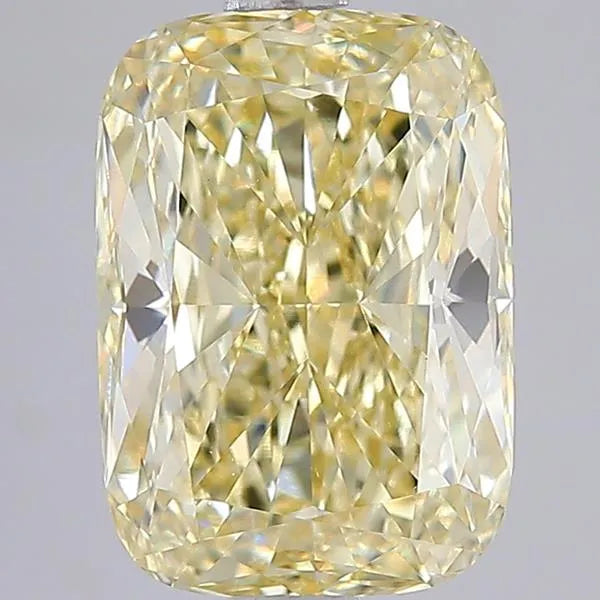
3.58ct Cushion modified Lab Grown Diamond (Colour Fancy Light Yellow, Clarity VVS2, IGI Certified)
$1,122.00
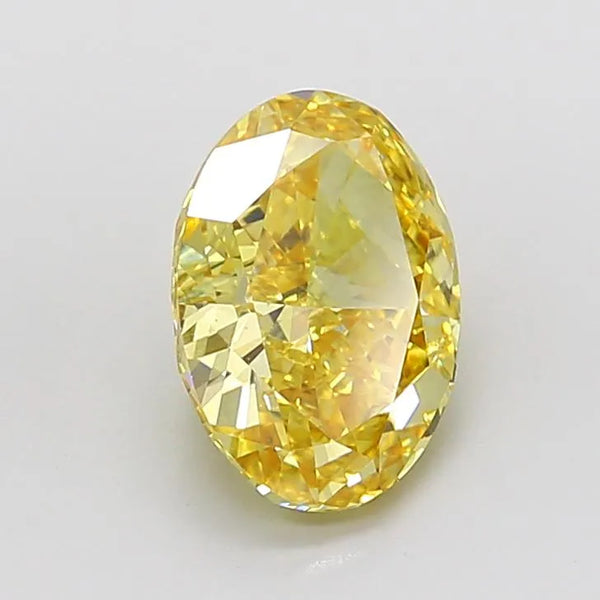
3.08ct Oval Lab Grown Diamond (Colour Fancy Vivid Yellow, Clarity VS1, IGI Certified)
$942.00
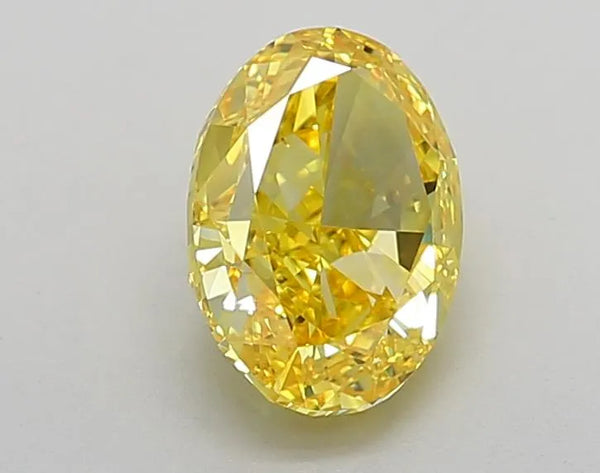
2.24ct Oval Lab Grown Diamond (Colour Fancy Vivid Yellow, Clarity VVS1, IGI Certified)
$968.00

2.03ct Oval Lab Grown Diamond (Colour Light Brownish Yellow, Clarity VS1, IGI Certified)
$662.00

2.31ct Radiant Lab Grown Diamond (Colour Fancy Intense Yellow, Clarity VVS2, IGI Certified)
$1,166.00

0.29ct Round Lab Grown Diamond (Colour Fancy Yellow, Clarity VS2, Cut ID, IGI Certified)
$116.00

4.52ct Cushion modified Lab Grown Diamond (Colour Fancy Yellow Brown, Clarity VVS2, IGI Certified)
$3,325.00

2.50ct Radiant Lab Grown Diamond (Colour Fancy Intense Yellow, Clarity VVS2, IGI Certified)
$828.00

0.52ct Round Lab Grown Diamond (Colour Fancy Intense Yellow, Clarity IF, Cut ID, IGI Certified)
$196.00

3.10ct Oval Lab Grown Diamond (Colour Fancy Light Yellow, Clarity VS2, IGI Certified)
$1,040.00

0.97ct Round Lab Grown Diamond (Colour Fancy Intense Yellow, Clarity IF, Cut ID, IGI Certified)
$323.00
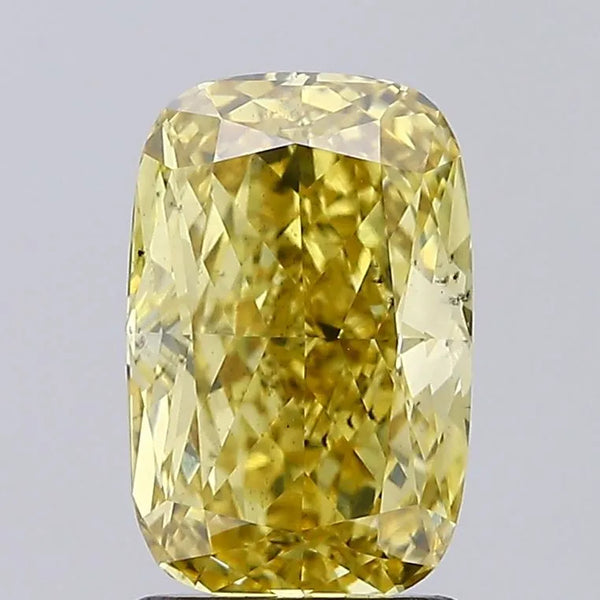
2.08ct Cushion modified Lab Grown Diamond (Colour Fancy Intense Yellow, Clarity VS2, IGI Certified)
$502.00
Loose & certified
Looking to pair it with a ring?
Every diamond on this page is loose — buy it on its own, set it into a ring of your own design, or pair it with one of our settings. Open any stone, click Set in a ring, and we’ll take you to your engagement, eternity or wedding band options.
Already have a setting in mind? Tap the menu icon and choose Engagement Rings › Ring Builder.
