Choose a Fancy Colour
Every stone certified by GIA, IGI or HRD — full report, 360° video and macro photography on every listing 5–7 days
Featured choose a fancy colour
Hand-selected pieces from the President Jewellers catalogue
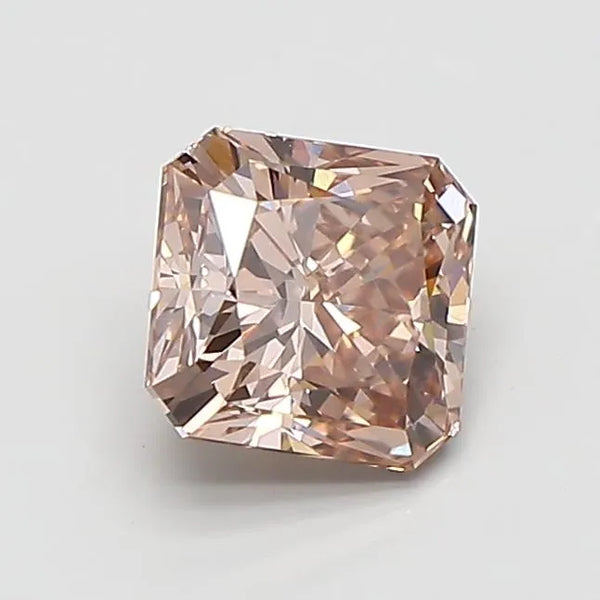
1.01ct Square radiant Lab Grown Diamond (Colour Fancy Light Brown, Clarity VVS1, IGI Certified)
$655.00
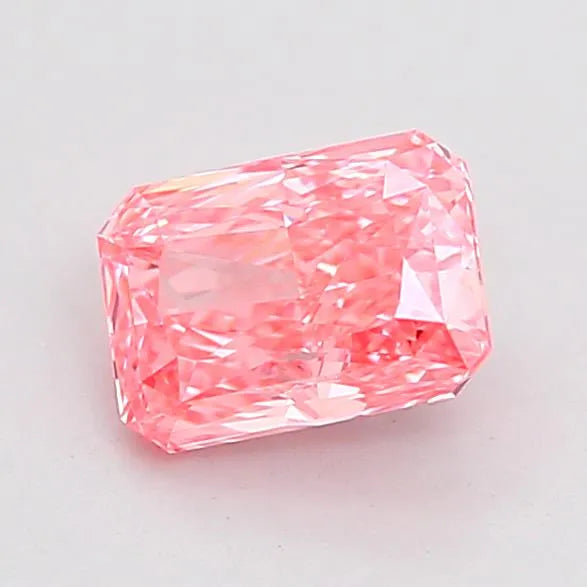
1.03ct Radiant Lab Grown Diamond (Colour Fancy Vivid Pink, Clarity VVS1, IGI Certified)
$458.00
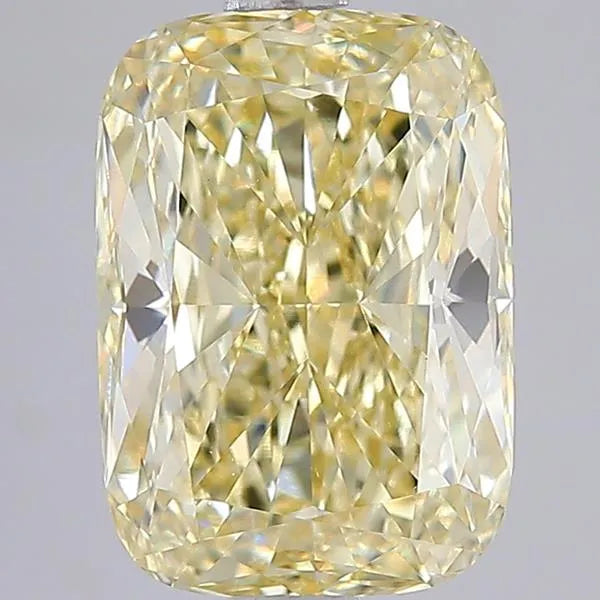
3.58ct Cushion modified Lab Grown Diamond (Colour Fancy Light Yellow, Clarity VVS2, IGI Certified)
$1,122.00
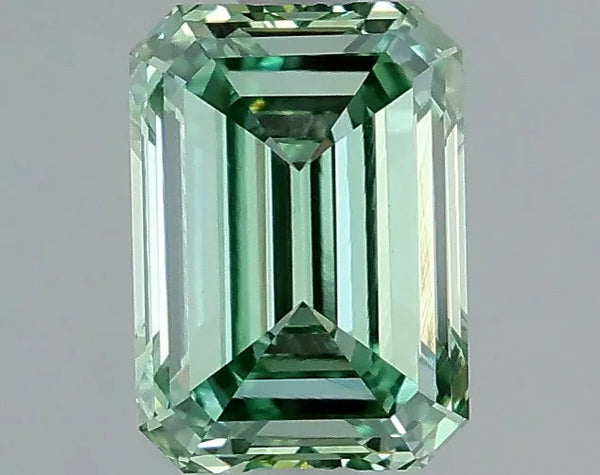
1.33ct Emerald Lab Grown Diamond (Colour Fancy Vivid Green, Clarity VVS2, IGI Certified)
$644.00
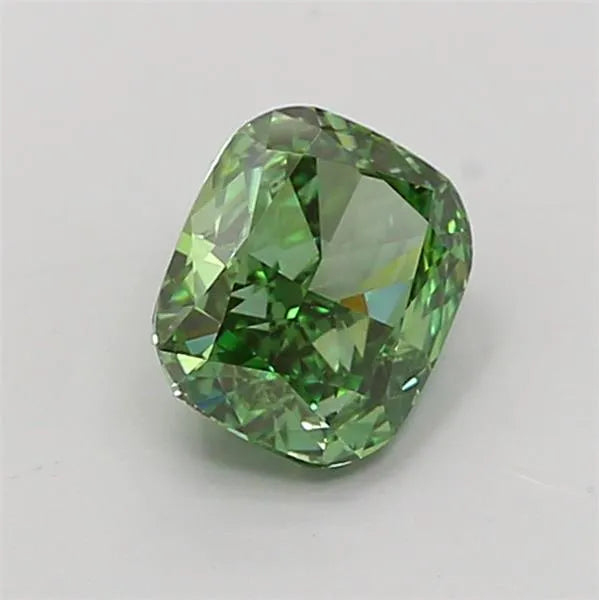
1.41ct Cushion modified Lab Grown Diamond (Colour Fancy Vivid Green, Clarity VS1, IGI Certified)
$337.00
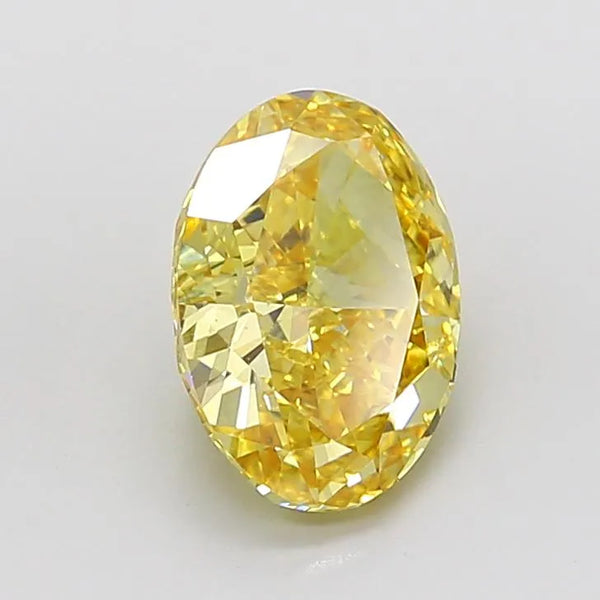
3.08ct Oval Lab Grown Diamond (Colour Fancy Vivid Yellow, Clarity VS1, IGI Certified)
$942.00
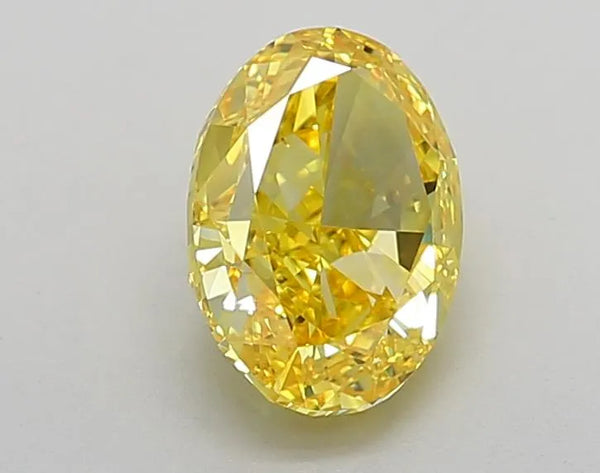
2.24ct Oval Lab Grown Diamond (Colour Fancy Vivid Yellow, Clarity VVS1, IGI Certified)
$968.00
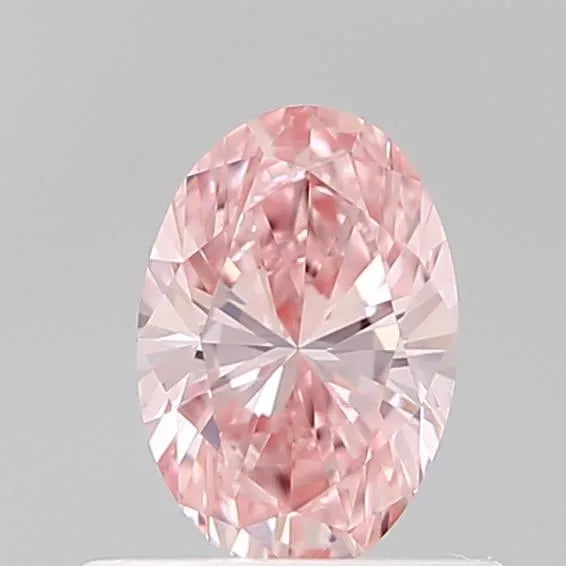
0.58ct Oval Lab Grown Diamond (Colour Fancy Vivid Pink, Clarity VS1, IGI Certified)
$222.00
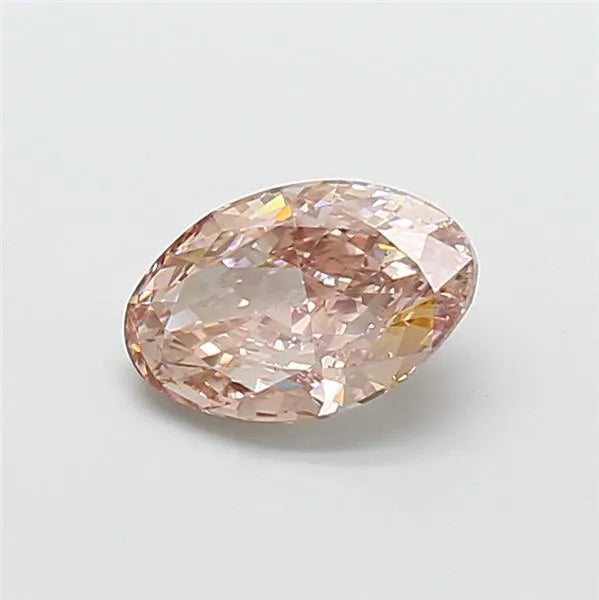
2.00ct Oval Lab Grown Diamond (Colour Fancy Light Pink Brown, Clarity VS1, IGI Certified)
$1,033.00
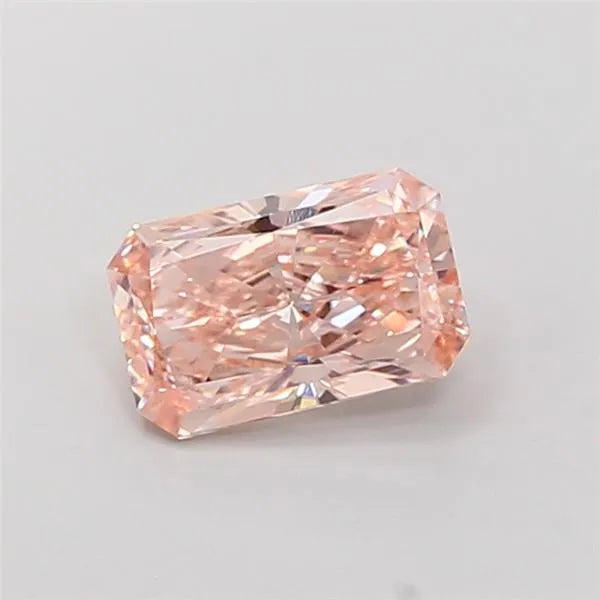
1.52ct Radiant Lab Grown Diamond (Colour Fancy Pink Brown, Clarity VVS2, Cut ID, IGI Certified)
$385.00
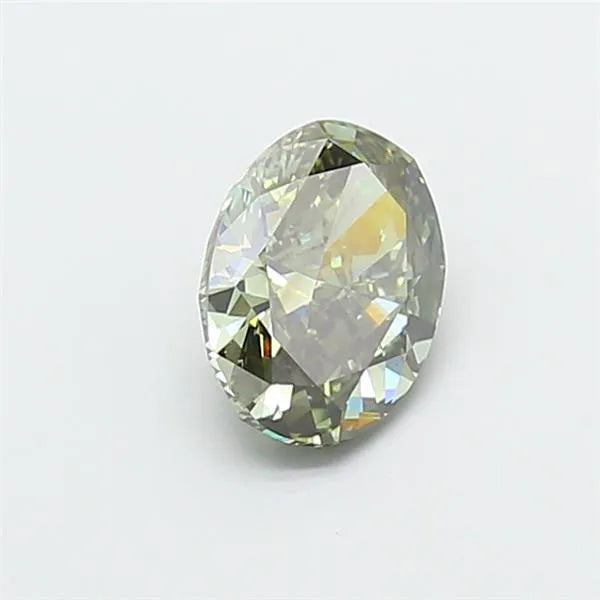
1.50ct Oval Lab Grown Diamond (Colour Fancy Vivid Green, Clarity VS2, IGI Certified)
$392.00
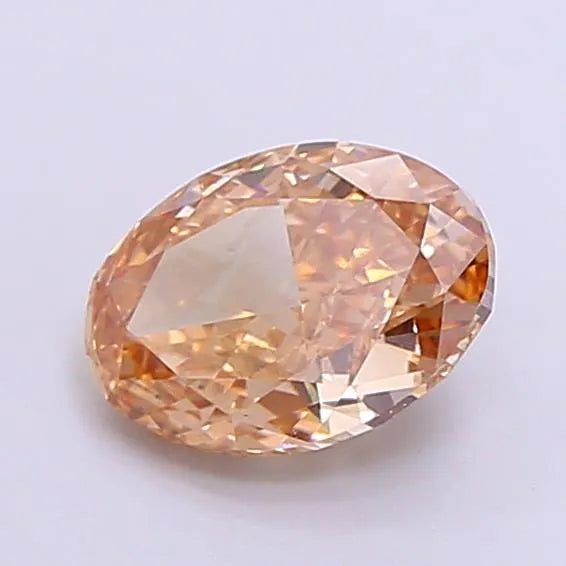
1.52ct Oval Lab Grown Diamond (Colour Fancy Light Brown, Clarity VS1, IGI Certified)
$769.00
At President Jewellers, every coloured diamond — what gemmologists call a fancy coloured diamond on the GIA grading scale — is hand-picked from a live catalogue of over 500,000 certified loose stones. Seventeen colour categories across both natural and lab-grown, in every standard fancy shape, carat weights up to 30.00ct. Each stone ships with an independent report from GIA, IGI or HRD, a 360° video and macro photography so you can study the cut, the colour saturation and the inclusions before you buy. Complimentary insured UK delivery in 5-7 business days. Free returns for up to 30 days — no questions, no exclusions, no restocking fee. Buy loose, or set into a ring our jewellers handcraft at our bench in Hatton Garden — the square mile that's been Britain's jewellery quarter since the 1800s.
Our fancy diamond palette
The catalogue covers the full spectrum that grading laboratories recognise — seventeen distinct fancy colour categories, available in both natural and lab-grown:
- Pink — from delicate Fancy Light through Fancy Intense and Fancy Vivid. The signature romantic colour. Natural pinks are among the rarest stones on Earth; lab-grown brings the colour into reach at engagement-ring budgets.
- Yellow — including canary yellow at the top of the saturation scale (Fancy Vivid Yellow). The most widely produced fancy colour in natural mining, abundant in lab inventory.
- Blue — from pale Fancy Light Blue through the cobalt-saturated Fancy Vivid Blue. Natural blues owe their colour to trace boron in the carbon lattice and are extraordinarily rare; lab-grown produces excellent blues at far lower cost.
- Green — caused in nature by natural radiation exposure over geological time; reproduced in lab through controlled treatment. Available from Fancy Light to Fancy Vivid.
- Red — the rarest fancy colour. Fewer than 30 certified true Fancy Red natural diamonds are known to exist. Lab-grown red is more accessible while remaining vivid and saturated.
- Purple — a distinct category from Violet. Often appears with grey or pink modifiers.
- Violet — its own GIA category; saturated, gem-quality violet stones are exceptionally rare in nature.
- Orange — from Fancy Light Orange through the warmer Pumpkin colour at Fancy Vivid.
- Brown — from Fancy Light Brown (sometimes marketed as "champagne") to deeper Fancy Dark Brown.
- Champagne — a market term for the lighter end of the brown range; warm, autumnal, often paired with rose or yellow gold.
- Cognac — deeper, more saturated than champagne, with reddish-orange overtones.
- Grey — from steel-grey at Fancy Light through to dark, almost charcoal Fancy Deep Grey.
- Black — opaque or near-opaque diamond, popular in contemporary halo and side-stone settings.
- White — milky, opalescent diamond (distinct from colourless D-grade white). A modern fashion choice.
- Salt and Pepper — heavily included diamond with visible black and white inclusions throughout, prized for character rather than clarity. One of the fastest-growing categories in the US market.
- Chameleon — extremely rare diamonds that temporarily change colour when heated or kept in the dark. Always certified with a "Chameleon" notation on the GIA report.
- Other — fancy colours that don't sit neatly inside the main categories: mixed overtones, modified hues, exotic combinations. Listed individually with their full grading notation.
Inventory exists across every standard shape — Round Brilliant, Princess, Cushion, Oval, Pear, Emerald, Heart, Radiant, Marquise and Square Emerald — and the full clarity range from Flawless through Included. Most fancy buyers prioritise colour saturation over clarity, but the choice is there.
Where fancy colour comes from
A natural diamond owes its body colour to trace impurities or structural anomalies introduced during its billion-year formation. The science of fancy colour:
- Yellow and orange — trace nitrogen atoms substituted for carbon in the crystal lattice.
- Blue — trace boron atoms in the lattice; boron is electron-poor relative to carbon, which absorbs red light and lets blue through.
- Pink, red, purple — plastic deformation of the lattice under enormous geological pressure. The stones are physically twisted at the atomic level. No external element involved.
- Green — natural radiation exposure over geological time, creating colour centres in the lattice.
- Brown, champagne, cognac — also plastic deformation, in a less ordered pattern than pinks.
- Black, grey, salt-and-pepper — heavy inclusions (graphite, sulphide minerals, hematite) trapped during the diamond's growth.
- Chameleon — a unique combination of hydrogen and nitrogen impurities that respond to heat and light.
Lab-grown fancy diamonds reproduce these colours through controlled doping — introducing the same trace elements (nitrogen for yellow, boron for blue) into the CVD or HPHT growth process, or through post-growth irradiation and annealing for greens and pinks. The end result is a real diamond, identical in hardness, refractive index and chemistry to a natural fancy stone — at a fraction of the price.
The rarity hierarchy
Natural fancy diamonds are graded on a tightening rarity scale:
- Most accessible — Brown, Champagne, Cognac, Yellow at Fancy Light grades, Grey, Salt and Pepper. These exist in enough volume that prices remain in reach of dress-ring and engagement budgets.
- Mid-tier — Yellow at Fancy Vivid (canary), Pink at Fancy Light, Orange, Brown at Fancy Dark.
- Rare — Pink at Fancy Intense and Vivid, Blue at any saturation, Green, Violet.
- Exceptionally rare — Red, Pink at Fancy Deep, Blue at Fancy Vivid, Chameleon.
Lab-grown fancy diamonds compress this hierarchy. Colours that take billions of years and freak geology to produce in nature can be grown to spec in weeks. A Fancy Vivid Blue that would cost six figures as a natural mined stone is a fraction of the price in lab form, with the same GIA or IGI report attached.
The GIA fancy colour grade scale
Unlike colourless D-Z grading, fancy diamonds use a saturation-and-tone scale:
- Faint — barely visible colour, just outside the D-Z scale.
- Very Light — colour visible but pale.
- Light — clearly tinted.
- Fancy Light — distinctly coloured, the entry point to true fancy designation.
- Fancy — saturated, evenly distributed colour.
- Fancy Intense — strongly saturated.
- Fancy Vivid — the most saturated and prized grade. "Canary" yellows and the most valuable pinks and blues sit here.
- Fancy Deep / Fancy Dark — saturated colour with darker tone (used for browns, greens, blacks).
Every fancy diamond we list shows the full GIA / IGI / HRD grading designation. A "Fancy Intense Pink" certified by GIA is internationally recognised and priced accordingly.
Every fancy diamond comes with the same documentation
What's on the listing for any fancy coloured diamond at President Jewellers:
- The full grading report from GIA, IGI or HRD — colour grade, overtone, saturation, plus the standard 4Cs (carat, clarity, cut grade where applicable).
- 360° video — the most important documentation for fancy stones, because colour shifts with lighting and angle far more than colourless diamonds.
- Macro photography — extreme close-ups so you can see the colour saturation through the pavilion, not just the face-up view.
- For natural fancies, the GIA report identifies the colour origin where determinable (Natural, Treated). For lab-grown fancies, every report carries the "Laboratory-Grown" inscription as required.
Choose by colour
Each colour page lists the live inventory in that colour, separated by origin. Natural and lab-grown have separate pages so you can compare like-for-like:
- Pink — Pink Natural Fancy Diamonds · Pink Lab Grown Fancy Diamonds
- Yellow — Yellow Natural Fancy Diamonds · Yellow Lab Grown Fancy Diamonds
- Blue — Blue Natural Fancy Diamonds · Blue Lab Grown Fancy Diamonds
- Green — Green Natural Fancy Diamonds · Green Lab Grown Fancy Diamonds
- Red — Red Natural Fancy Diamonds · Red Lab Grown Fancy Diamonds
- Purple — Purple Natural Fancy Diamonds · Purple Lab Grown Fancy Diamonds
- Violet — Violet Natural Fancy Diamonds · Violet Lab Grown Fancy Diamonds
- Orange — Orange Natural Fancy Diamonds · Orange Lab Grown Fancy Diamonds
- Brown — Brown Natural Fancy Diamonds · Brown Lab Grown Fancy Diamonds
- Champagne — Champagne Natural Fancy Diamonds · Champagne Lab Grown Fancy Diamonds
- Cognac — Cognac Natural Fancy Diamonds · Cognac Lab Grown Fancy Diamonds
- Grey — Grey Natural Fancy Diamonds · Grey Lab Grown Fancy Diamonds
- Black — Black Natural Fancy Diamonds · Black Lab Grown Fancy Diamonds
- White — White Natural Fancy Diamonds · White Lab Grown Fancy Diamonds
- Salt and Pepper — Salt and Pepper Natural Fancy Diamonds · Salt and Pepper Lab Grown Fancy Diamonds
- Chameleon — Chameleon Natural Fancy Diamonds · Chameleon Lab Grown Fancy Diamonds
Setting a fancy coloured diamond into a President Jewellers ring
The fancy diamonds on this page are sold loose. If you'd like one set into a ring, here's how that works.
Every ring in our setting catalogue is priced with a 1.0ct IGI-certified centre stone in the shape that matches the ring's variant — a round-solitaire setting is priced with a round 1.0ct, an oval halo with an oval 1.0ct, and so on. Accents (side stones, pavé, halo melee) are included in that base price.
You can swap that default 1.0ct centre for any diamond from this page — a Fancy Vivid Yellow, a Fancy Intense Pink, a Salt-and-Pepper Oval — and the 1.0ct centre stone's value is refunded from the ring's base price, with the fancy diamond you've chosen added in. No mark-up on the swap, no setup fee, no catch.
The ring itself is then handcrafted to order. Our process:
- CAD design — a 3D render of your ring with your chosen fancy centre stone, sent for approval before any metal is touched.
- Wax or silver sample — a one-to-one model of the finished ring, posted to you (or available to try at the Hatton Garden showroom) so you can feel the proportions before we cast.
- Cast and set in your chosen metal — 18ct yellow, white or rose gold; 950 platinum; or 9ct and 14ct gold on selected variants. Stone set, polished, finished.
- Hallmarked at the London Assay Office — Britain's oldest assay office, established 1300. Hallmarks confirm metal purity and origin to UK consumer-protection standards.
- Insured UK delivery — typically 7-14 business days from order confirmation.
Every ring includes complimentary engraving on the inner band — initials, date, a private inscription — and free lifetime resizing. Metal choice matters with fancy colour: yellows pair beautifully with rose or yellow gold, pinks with rose gold or platinum, blues and greens with platinum, salt-and-pepper with brushed yellow gold. Our team will walk you through the combinations before you confirm.
Returns, assurance and payment
Loose fancy diamonds: the stone itself is fully returnable within 30 days of delivery — no questions, no exclusions, no restocking fee, and return shipping is free. If the colour in person isn't the colour you saw on screen, send it back and we refund to the original payment method. Loose-stone delivery is 5-7 business days, complimentary, insured.
Rings: 30-day returns on standard inventory. Custom and bespoke pieces (which is most of our ring orders, since every ring is CAD-designed for the buyer) are excluded from the 30-day window — but every ring carries a lifetime warranty against manufacturing defects.
Payment: we accept all major cards, PayPal, Apple Pay and Google Pay. PayPal Pay in 3 is available on orders $50–$3,950: pay one third today, the next two thirds spread across the following two months, no interest, no credit check.
UK delivery is complimentary and insured throughout. International delivery is available on request.
Frequently asked questions
Are fancy coloured diamonds real diamonds?
Yes. A fancy diamond is the same chemical and physical material as a colourless diamond — crystallised carbon at hardness 10 on the Mohs scale, the same refractive index, the same brilliance. The colour comes from trace impurities (nitrogen, boron) or structural anomalies in the lattice introduced during formation. By every scientific definition, a fancy coloured diamond is a real diamond, and every certified stone we sell carries an independent grading report from GIA, IGI or HRD confirming this.
What is the rarest fancy colour diamond?
Red. Fewer than 30 certified true Fancy Red natural diamonds are known to exist; the most famous, the Moussaieff Red at 5.11ct, is one of the most valuable diamonds ever sold. After red, the rarest categories are blue at Fancy Vivid saturation, pink at Fancy Vivid (the Argyle mine in Australia, which produced the world's pinks, closed in 2020), and green at any saturation. Chameleon diamonds — those that change colour with heat or light — are also exceptionally rare. Lab-grown fancy diamonds reproduce all of these colours at a fraction of the price.
Why are some fancy colour diamonds more expensive than others?
Three factors: (1) natural rarity — reds, blues and intense pinks are extraordinarily rare in nature, browns and yellows abundant; (2) saturation grade — within any colour, Fancy Vivid commands many multiples of Fancy Light; (3) origin — natural fancies cost more than lab-grown equivalents because of mining economics, not because of any physical difference in the stone. A Fancy Vivid Blue natural can be six-figure pricing; the same colour in lab-grown is dramatically more accessible.
How do natural diamonds get their fancy colour?
Different colours, different causes. Yellow and orange come from trace nitrogen atoms in the crystal lattice. Blue comes from trace boron. Pink, red and purple come from plastic deformation — the lattice physically twisted under geological pressure over millions of years. Green comes from natural radiation exposure. Brown comes from lattice deformation in a less ordered pattern. Black and grey come from heavy inclusions of graphite or other minerals. Chameleon is a unique combination of hydrogen and nitrogen impurities. Every GIA, IGI or HRD report identifies the colour grade and, where determinable, the origin (natural or treated).
How do lab-grown diamonds get their fancy colour?
Through controlled doping during the CVD or HPHT growth process — the same trace elements that colour natural diamonds, introduced in precise concentrations to produce a target colour. Yellow is achieved with nitrogen; blue with boron; pink and red typically through post-growth irradiation and annealing. The end result is a real diamond, chemically identical to a natural fancy, certified by GIA or IGI to the same scale, at a fraction of the cost.
What does "Fancy Vivid" mean on a diamond certificate?
It's the highest saturation grade on the GIA fancy colour scale. The full scale runs Faint, Very Light, Light, Fancy Light, Fancy, Fancy Intense, Fancy Vivid, Fancy Deep / Fancy Dark. Fancy Vivid means the colour is at maximum saturation — the most prized grade, with prices to match. A Fancy Vivid Yellow ("canary"), Fancy Vivid Pink or Fancy Vivid Blue commands many multiples of the same colour at Fancy Light.
Are fancy diamonds a good investment?
Certain natural fancy colours — particularly pink, blue, and red at Fancy Intense and Vivid grades — have outperformed most asset classes over the last twenty years. The closure of the Argyle mine in 2020 removed the world's main source of natural pinks, tightening supply further. Lab-grown fancies, while beautiful and identical at the atomic level, do not have the same scarcity and do not appreciate the same way. If long-term resale matters, natural Fancy Intense or Vivid stones are the asset side of the market.
Can I see the diamond before I commit?
Yes, in three ways. (1) Every listing has a 360° video and macro photography — critical for fancy colour, which shifts under different lighting. (2) You can book a private viewing at our Hatton Garden showroom and we'll bring the stone in for you to see in person under daylight, store lighting and loupe magnification. (3) If you buy and the colour in person isn't what you expected, you have 30 days to return it, no questions.
What metals work best with fancy colours?
It comes down to chromatic contrast. Pink and red diamonds tend to pair beautifully with rose gold (which amplifies the warmth) or platinum (which intensifies the colour by contrast). Yellow diamonds shine in yellow or rose gold, where the warm metal echoes the stone. Blue and green diamonds are usually set in platinum or white gold, where the cool metal lets the stone's colour read more vividly. Salt-and-pepper, black and grey work in any metal, often in brushed or matte finishes for a contemporary feel. Our jewellers will walk you through pairings before you confirm.
How long does it take to get a fancy diamond ring made?
Typically 7-14 business days from when you confirm the CAD design. Simple solitaires move faster; pavé, halos and intricate settings sit at the longer end. We'll give you a specific date when we confirm your order. Loose fancy diamonds (without a setting) ship within 5-7 business days.
Can I return a loose fancy diamond?
Yes — the stone itself is fully returnable within 30 days of delivery. No questions, no exclusions, no restocking fee, and we cover the return shipping. Refund goes back to the original payment method. Fancy colour reads differently under different lighting, so we strongly recommend opening the parcel in daylight and giving yourself time to live with the stone before deciding. Once a diamond is set into a ring, the ring becomes a bespoke piece and the 30-day return window no longer applies (lifetime warranty does).
Is there a deposit or finance option?
No deposit needed — full payment is taken at order confirmation. For BNPL, PayPal Pay in 3 splits your order across three monthly payments (first today, then one each month for the next two months) on orders between $50 and $3,950. No interest, no credit check.
Loose & certified
Looking to pair it with a ring?
Every diamond on this page is loose — buy it on its own, set it into a ring of your own design, or pair it with one of our settings. Open any stone, click Set in a ring, and we’ll take you to your engagement, eternity or wedding band options.
Already have a setting in mind? Tap the menu icon and choose Engagement Rings › Ring Builder.
