-
Engagement ringsWedding ringsEternity ringsDiamondsGemstones
Choose Your Gemstone
Every gemstone supplied with an independent gemmological grading report, 360° video and macro photography — hue, tone and saturation visible before you decide 5–7 days
Featured choose your gemstone
Hand-selected pieces from the President Jewellers catalogue
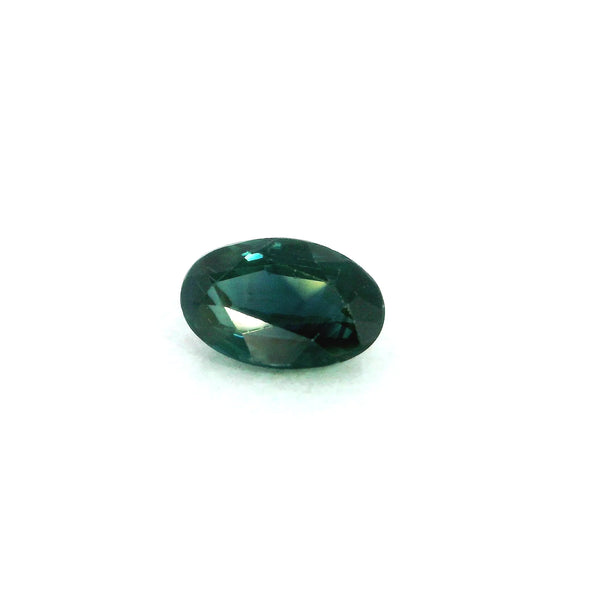
1.55ct Oval Natural Sapphire (Colour Blue, Clarity Slightly Included, Cut Faceted)
$104.00

1.97ct Oval Natural Aquamarine (Colour Blue, Clarity Eye Clean, Cut Faceted)
$594.00
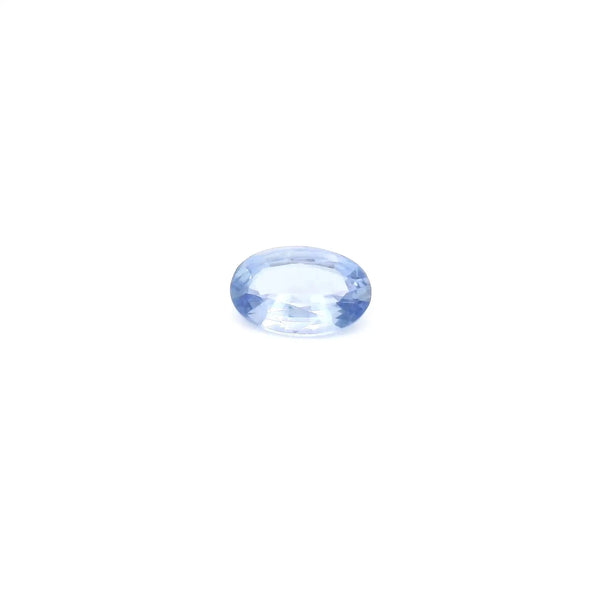
0.43ct Oval Natural Sapphire (Colour Blue, Clarity Eye Clean, Cut Faceted)
$105.00
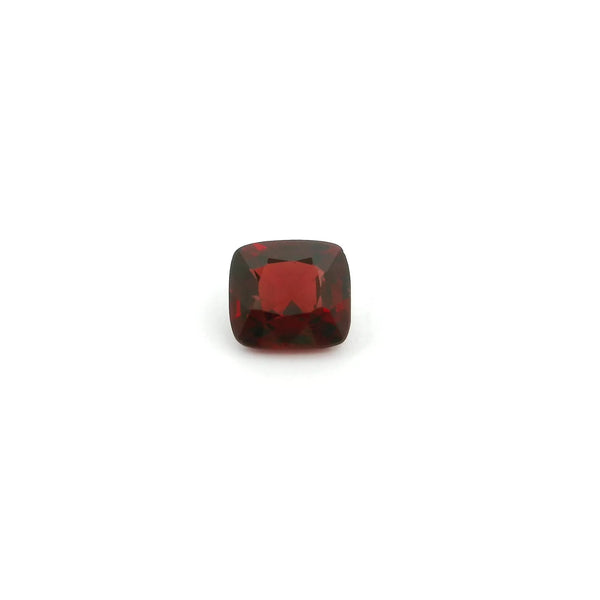
0.67ct Cushion Natural Spinel (Colour Red, Clarity Eye Clean, Cut Faceted)
$237.00

1.45ct Oval Natural Aquamarine (Colour Blue, Clarity Eye Clean, Cut Faceted)
$1,185.00
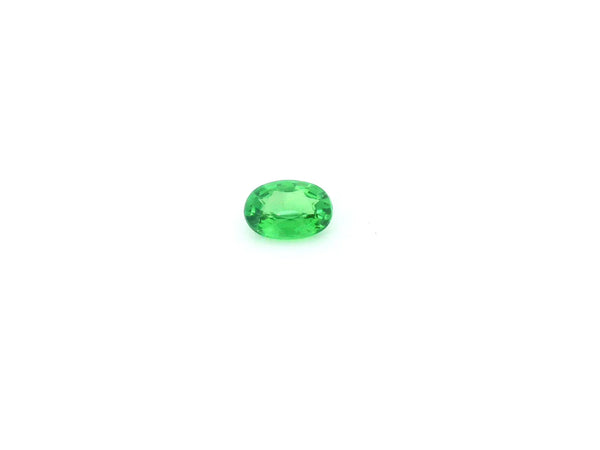
0.28ct Oval Natural Garnet (Colour Green, Clarity Slightly Included, Cut Faceted)
$164.00
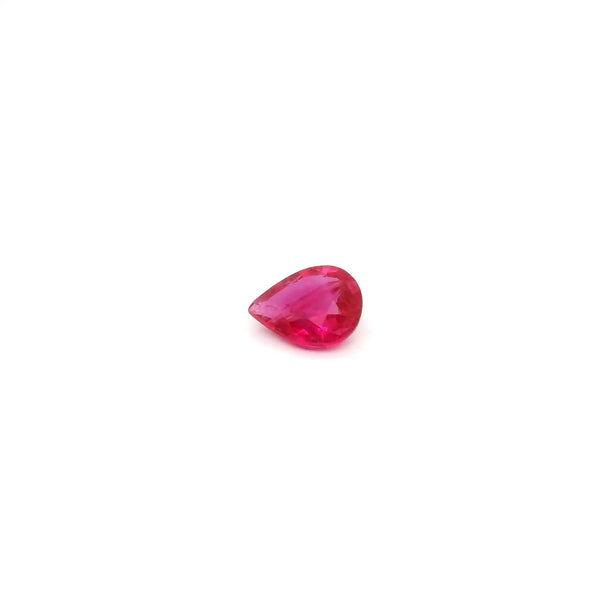
0.30ct Pear Natural Ruby (Colour Red, Clarity Slightly Included, Cut Faceted)
$160.00
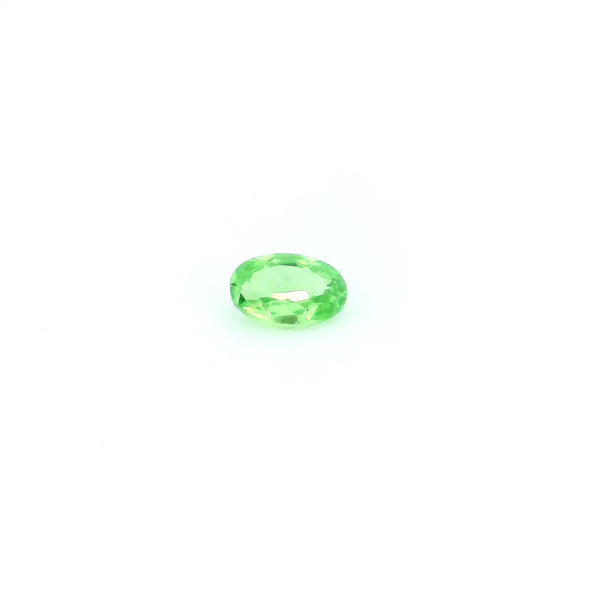
0.30ct Oval Natural Garnet (Colour Green, Clarity Slightly Included, Cut Faceted)
$101.00
Gemstone engagement rings at President Jewellers are bespoke pieces set with sapphire, emerald, ruby, tanzanite, aquamarine, morganite, alexandrite, opal, garnet, peridot, topaz, tourmaline, citrine, amethyst or any gemstone from our curated inventory. Every ring is designed in CAD, prototyped in silver for your try-on, cast in your chosen metal, set with your chosen gemstone and finished by hand in our Hatton Garden workshop. Hallmarked at the London Assay Office. Loose gemstones are also available — certified, hand-graded, sold individually or set into the ring of your choice.
Gemstone engagement rings — what we make most often
Sapphire engagement rings are the most-requested gemstone ring at President Jewellers — blue sapphire as the classic alternative to diamond, teal and bicolour sapphires for couples wanting more colour distinction, pink and yellow sapphires for warmer tones. Emerald engagement rings are second — deep saturated green, traditionally associated with renewal and fidelity, paired most often with diamond shoulders. Ruby engagement rings are the third major category — fancy red, often associated with the Burmese 'pigeon's blood' grade, set in 18ct yellow or rose gold. Below these three, we make tanzanite, aquamarine, morganite, alexandrite and opal rings on a regular basis, plus rarer combinations on request.
Choosing the gemstone — durability, colour, ethical sourcing
Durability. Gemstones vary in hardness. Sapphire and ruby (both corundum) sit at 9 on the Mohs scale — almost as hard as diamond, suitable for every day. Emerald is 7.5-8 but tends to be heavily included — a protective bezel setting is recommended. Tanzanite is 6-7 and best as a centre stone in an occasion ring rather than daily wear. Colour. Saturation and tone matter more than carat weight for coloured gemstones — a deeply saturated 0.80ct sapphire outshines a pale 1.50ct sapphire. Ethical sourcing. Every gemstone above 0.30ct at President Jewellers comes with origin documentation; we work primarily with Sri Lankan and Australian sapphire sources, Colombian and Zambian emeralds, and Mozambique ruby.
Settings — what works for which gemstone
Bezel. A continuous metal rim around the stone — recommended for emerald (protects the stone's relative fragility) and for any large centre stone where everyday wear is expected. Halo with diamond melee. The halo amplifies the gemstone's colour by contrast against white diamonds — particularly effective for sapphire, ruby, and morganite. Three-stone. A coloured centre flanked by two diamonds, or two coloured stones flanking a diamond centre. Sapphire-and-diamond is the classic UK combination, made famous by the Princess of Wales engagement ring. Solitaire with diamond shoulders. A coloured centre with small pavé diamonds along the shoulders — clean, contemporary.
Loose gemstones — also available for collectors and bespoke
If you want the stone before the ring, we sell loose certified gemstones — sapphire, emerald, ruby, tanzanite, aquamarine, morganite, alexandrite, opal — graded by our Hatton Garden gemologists, hand-photographed, and listed individually. Buy a loose stone now, design the ring later. We also source specific gemstones on request — if you have an exact carat weight, colour grade, or origin in mind, we will source from our network and present options for approval before you commit.
Bespoke process for gemstone rings
Every gemstone engagement and wedding ring is bespoke. The process takes 7 to 14 business days from sample approval. Step 1 — free consultation by phone or at our 23 Hatton Garden workshop. Step 2 — gemstone selection (from our inventory or sourced). Step 3 — CAD design for your approval. Step 4 — silver or wax sample produced and posted to you for try-on. Step 5 — casting in platinum or 18ct gold. Step 6 — setting, finishing, hallmarking at the London Assay Office. Step 7 — insured UK delivery, complimentary on every order. Free lifetime resizing where the setting permits.
Frequently asked questions
What is the most popular gemstone for an engagement ring?
Blue sapphire is the most-requested gemstone for engagement rings in the UK. The Princess of Wales (Catherine Middleton) wears a 12ct Ceylon sapphire surrounded by diamonds — the most influential gemstone engagement ring of the modern era. Beyond sapphire, emerald and ruby are the next most popular. President Jewellers makes all three regularly in platinum and 18ct gold, with diamond accents or solitaire.
Are gemstone engagement rings durable enough for everyday wear?
Sapphire and ruby (both Mohs 9) are durable enough for daily wear — almost as hard as diamond (Mohs 10), they resist scratches and chips well. Emerald (Mohs 7.5-8) is durable but more brittle and benefits from a protective bezel setting. Tanzanite (Mohs 6-7), opal and moonstone are softer and best suited to occasion rings rather than everyday use. We will tell you which gemstone to choose based on how you plan to wear it.
How much does a gemstone engagement ring cost in the UK?
Gemstone engagement rings at President Jewellers range from $1,600 for an 18ct gold solitaire with a 1.0ct quality sapphire, to $5,950-$10,600 for a platinum ring with a Burmese ruby or Colombian emerald centre stone and diamond halo, to $19,850+ for collector-grade rare gemstones (unheated Kashmir sapphire, Mozambique ruby, Muzo emerald). The driving factors are the gemstone's grade and origin, the metal choice, and the design complexity. Every quote is itemised.
Can I have a gemstone instead of a diamond on any engagement ring style?
Yes. Every engagement ring design at President Jewellers — solitaire, halo, three-stone, vintage, nature-inspired, hidden halo — can be made with a gemstone centre instead of a diamond. The base ring price includes a 1.0ct IGI-certified diamond; if you swap to a gemstone, the diamond credit comes off and the gemstone price is added in. Many designs work better with a coloured centre, especially halo and three-stone configurations where contrast amplifies the colour.
What gemstones do you stock loose?
President Jewellers carries loose sapphire (blue, teal, pink, yellow, padparadscha), emerald (Colombian and Zambian), ruby (Mozambique and Thai), tanzanite, aquamarine, morganite, alexandrite, opal (Australian and Ethiopian), garnet, peridot, topaz, tourmaline, citrine, and amethyst. Every stone above 0.30ct ships with an independent gemological certificate. If you want a specific stone we don't currently stock, we will source it from our network and present options for approval.
Do gemstone engagement rings come hallmarked?
Yes. Every gemstone ring made at President Jewellers is hallmarked at the London Assay Office before delivery. The hallmark includes our maker's mark, the fineness mark (950 for platinum; 750 for 18ct gold; 585 for 14ct; 375 for 9ct), the London Assay Office leopard's head, and the date letter. The gemstone itself ships with its independent certificate (GIA, Gem-A, GRS or equivalent depending on stone type).
Explore further
Certified Gemstones
Every gemstone graded by an independent gemmological laboratory — full report included as standard.
Lifetime Warranty
Every piece covered for life against manufacturing defects. No small print.
30-Day Returns
Loose stones — fully returnable for 30 days, no questions, return shipping free. Custom and bespoke rings excluded.
Free UK Delivery
Complimentary insured UK delivery. Loose gemstones arrive in 5-7 working days.
You might also like
Related collections and pages from President Jewellers
Sapphire
Explore →Ruby
Explore →Emerald
Explore →Tanzanite
Explore →Aquamarine
Explore →Morganite
Explore →Alexandrite
Explore →Opal
Explore →Moonstone
Explore →Amethyst
Explore →Topaz
Explore →Garnet
Explore →Peridot
Explore →Loose & certified
Looking to pair it with a ring?
Every gemstone on this page is loose — buy it on its own, set it into a ring of your own design, or pair it with one of our settings. Open any stone, click Set in a ring, and we’ll take you to your engagement, dress or cocktail ring options.
Already have a setting in mind? Tap the menu icon and choose Engagement Rings › Ring Builder.
What our customers say
From your first question to your finished ring — our Hatton Garden specialists are here throughout. Crafted for your forever.
From your first question to your finished ring — our Hatton Garden specialists are here throughout. Crafted for your forever.
