Radiant Lab Grown Diamonds
What is a radiant lab grown diamond?
A radiant lab grown diamond is a stone produced in a controlled laboratory environment — using either High Pressure High Temperature (HPHT) or Chemical Vapour Deposition (CVD) — then cut into the radiant shape, which features cropped corners, a rectangular or square outline, and between 70 and 74 facets arranged in a distinctive criss-cross pattern beneath the table. The resulting stone is chemically, physically, and optically identical to a mined radiant diamond; the difference lies entirely in origin. Because lab grown production removes the constraints of geological scarcity, radiant lab grown diamonds are typically available at a lower cost per carat than their naturally mined counterparts, allowing for a notably larger stone or higher grade within the same budget. The radiant cut was developed in 1977 by Henry Grossbard specifically to bring brilliant-cut light performance to a rectangular outline — a combination that had previously eluded step cuts such as the emerald.
How does the radiant cut compare with other diamond shapes?
The radiant cut occupies a distinct position among diamond shapes: it delivers more light dispersion than the emerald or Asscher cut, yet carries a less conventional outline than the round brilliant. Its criss-cross facet structure generates broad flashes of white light and scattered colour, rather than the concentric hall-of-mirrors reflection associated with step cuts. In a radiant lab grown diamond, these optical qualities are undiminished by origin — the facets respond to light in exactly the same way as in a mined stone. Length-to-width ratio shapes the character significantly: a ratio near 1.00–1.05 produces a square radiant, while 1.20–1.35 gives a more elongated rectangle. The elongated radiant creates a visual stretching effect on the finger that can make the stone appear larger face-up relative to its actual carat weight, a particularly useful consideration when choosing a lab grown stone where higher carat weight is more accessible on a given budget. The cut also conceals inclusions well due to its dense facet pattern, making VS2 and even SI1 clarity grades appear clean to the unaided eye in many cases.
What do radiant lab grown diamonds cost in the UK?
Radiant lab grown diamonds are priced according to the same four-variable framework as any diamond — carat weight, cut quality, colour grade, and clarity — but the starting point per carat is substantially lower than for natural radiants of equivalent specification. Bridebook's US average engagement ring spend of $6,000 gives a useful reference point: a radiant lab grown diamond at that budget can realistically reach 1.0ct or beyond in the F–H colour range with a VS or SI clarity grade, whereas a natural radiant of comparable specification would typically require a considerably higher outlay. Price differences between colour grades (D through J) and clarity grades (FL through SI2) remain meaningful within the lab grown category, so it is worth deciding which variable matters most before filtering. All radiant lab grown diamonds in our collection carry GIA, HRD or IGI certification, so the grade printed on the report is independently verified rather than dealer-assigned.
How are radiant lab grown diamonds certified?
Every radiant lab grown diamond available through President Jewellers is certified by one of three independent grading laboratories: GIA (Gemological Institute of America), HRD Antwerp, or IGI (International Gemological Institute). Each certificate documents the stone's carat weight, colour grade, clarity grade, cut proportions, and origin as laboratory-grown. This independent verification means the grade on the certificate is assigned by a grader with no commercial interest in the stone's valuation. When comparing radiant lab grown diamonds, the certifying laboratory should be noted alongside the grade — GIA and HRD reports are widely regarded as applying strict grading standards, while IGI has invested substantially in standardising its lab-grown grading protocols in recent years. All three laboratories are fully accepted by insurers, which matters when arranging cover for the finished ring.
Setting a radiant lab grown diamond into a ring
The radiant cut's cropped corners make it more resistant to chipping at the tips than pointed shapes such as the marquise or pear, yet the corners still benefit from being protected by claw tips or a bezel edge in the finished setting. Four-claw settings allow maximum light to enter and leave the facets from all angles; a six-claw arrangement offers greater security for larger stones. Channel-set or pavé side stones pair particularly well with the radiant cut's rectangular outline, echoing its geometry without competing with the centre stone's light performance. When a radiant lab grown diamond is selected and set into one of our rings, the piece is crafted at our Hatton Garden workshop through a process of CAD design and silver or wax sample review before casting — a lead time of 7–14 business days from order confirmation, with every finished ring hallmarked at the London Assay Office. Loose radiant lab grown diamonds may be returned within 30 days, no questions asked, with no exclusions.
Frequently asked questions
Are radiant lab grown diamonds real diamonds?
Yes. Radiant lab grown diamonds are chemically, physically, and optically identical to mined diamonds — both are pure crystalline carbon graded to the same GIA, HRD or IGI standards. The sole difference is origin: one forms over geological time underground, the other in a controlled laboratory environment. Major gemological laboratories and insurers treat them as equivalent.
What length-to-width ratio should a radiant lab diamond be?
A ratio of 1.00–1.05 produces a square radiant; 1.20–1.35 gives a classic elongated rectangular outline. The elongated ratio tends to visually lengthen shorter fingers and makes the stone appear larger face-up for a given carat weight. Ratios above 1.40 begin to look noticeably narrow and are less commonly chosen.
Which clarity grade is recommended for a radiant lab grown diamond?
The radiant cut's dense criss-cross facet pattern conceals inclusions effectively, so VS2 or SI1 grades frequently appear eye-clean in a well-cut stone. Dropping to SI1 with a radiant lab grown diamond can release significant budget for a higher colour grade or larger carat weight — worth reviewing the specific certificate and stone imagery before committing.
Can a loose radiant lab grown diamond be returned if it is not right?
Loose radiant lab grown diamonds purchased from President Jewellers may be returned within 30 days, no questions asked, with no exclusions. Once a stone has been set into a ring, the ring's own return policy applies. Complimentary insured UK delivery is included on every order.
How long does it take to set a radiant lab diamond into a ring?
Once a loose radiant lab grown diamond is selected, the ring is designed via CAD and a silver or wax sample produced for review at our Hatton Garden workshop before casting begins. The full process — from order confirmation to a hallmarked, finished ring — takes 7–14 business days, depending on setting complexity.
How much does a 1 carat radiant lab grown diamond cost in the UK?
A 1 carat radiant lab grown diamond in the US typically ranges from around $650 to $2,400 depending on colour, clarity and cut. A G colour, VS clarity 1ct radiant lab grown commonly sits in the $950 to $1,600 band — versus $4,650 to $6,600 for an equivalent natural radiant. The radiant's dense facet pattern conceals inclusions well, so an SI1 lab grown radiant at 1.5ct or 2ct can offer dramatic scale per pound spent. For buyers prioritising visible carat weight at lower budgets, radiant is one of the most cost-effective shape choices in lab grown origin.
Why is the radiant cut more forgiving on clarity than other shapes?
The radiant cut's 70-facet brilliant pattern combined with trimmed corners produces a dense, scattered light return that breaks up and visually absorbs small inclusions in ways that step cuts (emerald, Asscher) and even some elongated brilliants (oval, pear) cannot. An SI1 clarity radiant lab grown diamond can present as face-up clean to the unaided eye, where the same grade in an emerald cut would show visible inclusions through the open table. This makes the radiant a strong value proposition: dropping from VS to SI1 clarity can release budget for a higher colour grade or larger carat weight with little visible compromise.
Featured radiant lab grown diamonds
Hand-selected pieces from the President Jewellers catalogue
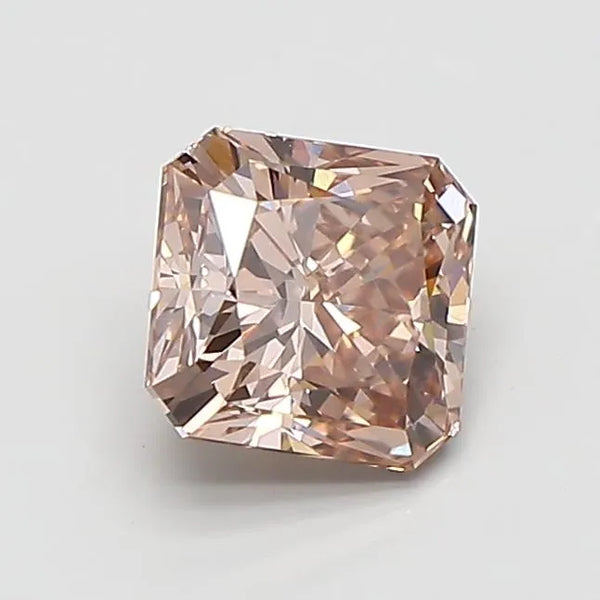
1.01ct Square radiant Lab Grown Diamond (Colour Fancy Light Brown, Clarity VVS1, IGI Certified)
$650.00
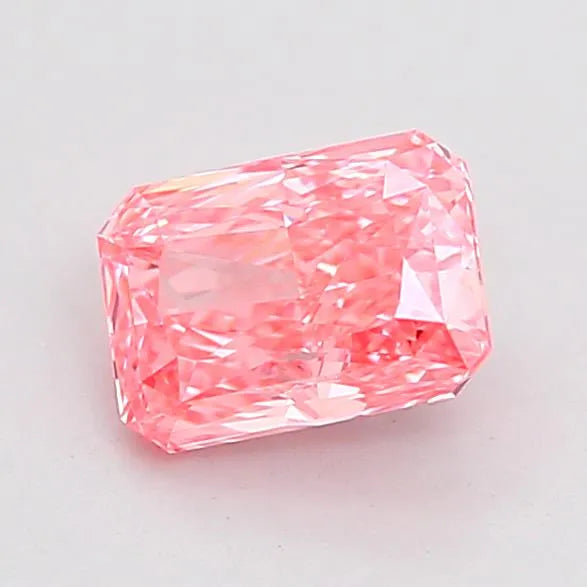
1.03ct Radiant Lab Grown Diamond (Colour Fancy Vivid Pink, Clarity VVS1, IGI Certified)
$455.00

2.09ct Radiant Lab Grown Diamond (Colour E, Clarity VVS1, IGI Certified)
$497.00
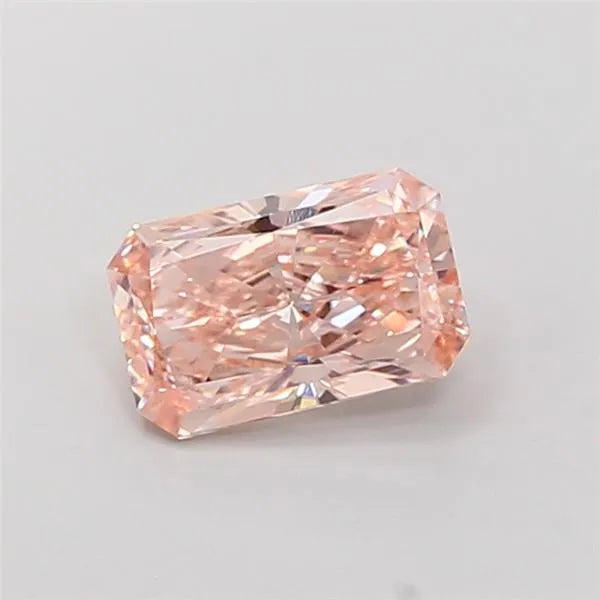
1.52ct Radiant Lab Grown Diamond (Colour Fancy Pink Brown, Clarity VVS2, Cut ID, IGI Certified)
$383.00

2.31ct Radiant Lab Grown Diamond (Colour Fancy Intense Yellow, Clarity VVS2, IGI Certified)
$1,158.00

1.06ct Radiant Lab Grown Diamond (Colour Fancy Vivid Pink, Clarity VVS1, IGI Certified)
$374.00

2.50ct Radiant Lab Grown Diamond (Colour Fancy Intense Yellow, Clarity VVS2, IGI Certified)
$822.00
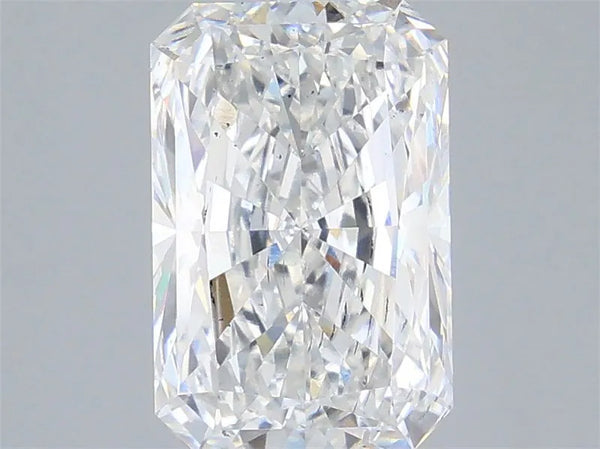
3.01ct Radiant Lab Grown Diamond (Colour E, Clarity SI1, IGI Certified)
$481.00
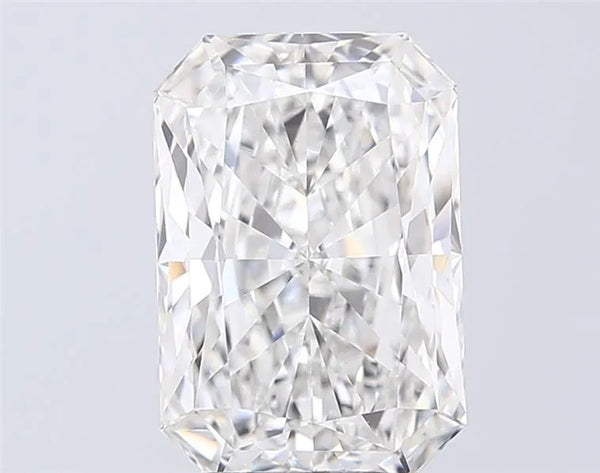
5.08ct Radiant Lab Grown Diamond (Colour F, Clarity VVS2, IGI Certified)
$1,010.00

1.80ct Radiant Lab Grown Diamond (Colour F, Clarity VS1, IGI Certified)
$314.00

10.00ct Radiant Lab Grown Diamond (Colour E, Clarity VVS2, IGI Certified)
$3,573.00

1.91ct Radiant Lab Grown Diamond (Colour E, Clarity VS2, IGI Certified)
$306.00
Loose & certified
Looking to pair it with a ring?
Every diamond on this page is loose — buy it on its own, set it into a ring of your own design, or pair it with one of our settings. Open any stone, click Set in a ring, and we’ll take you to your engagement, eternity or wedding band options.
Already have a setting in mind? Tap the menu icon and choose Engagement Rings › Ring Builder.
